September 28, 2026
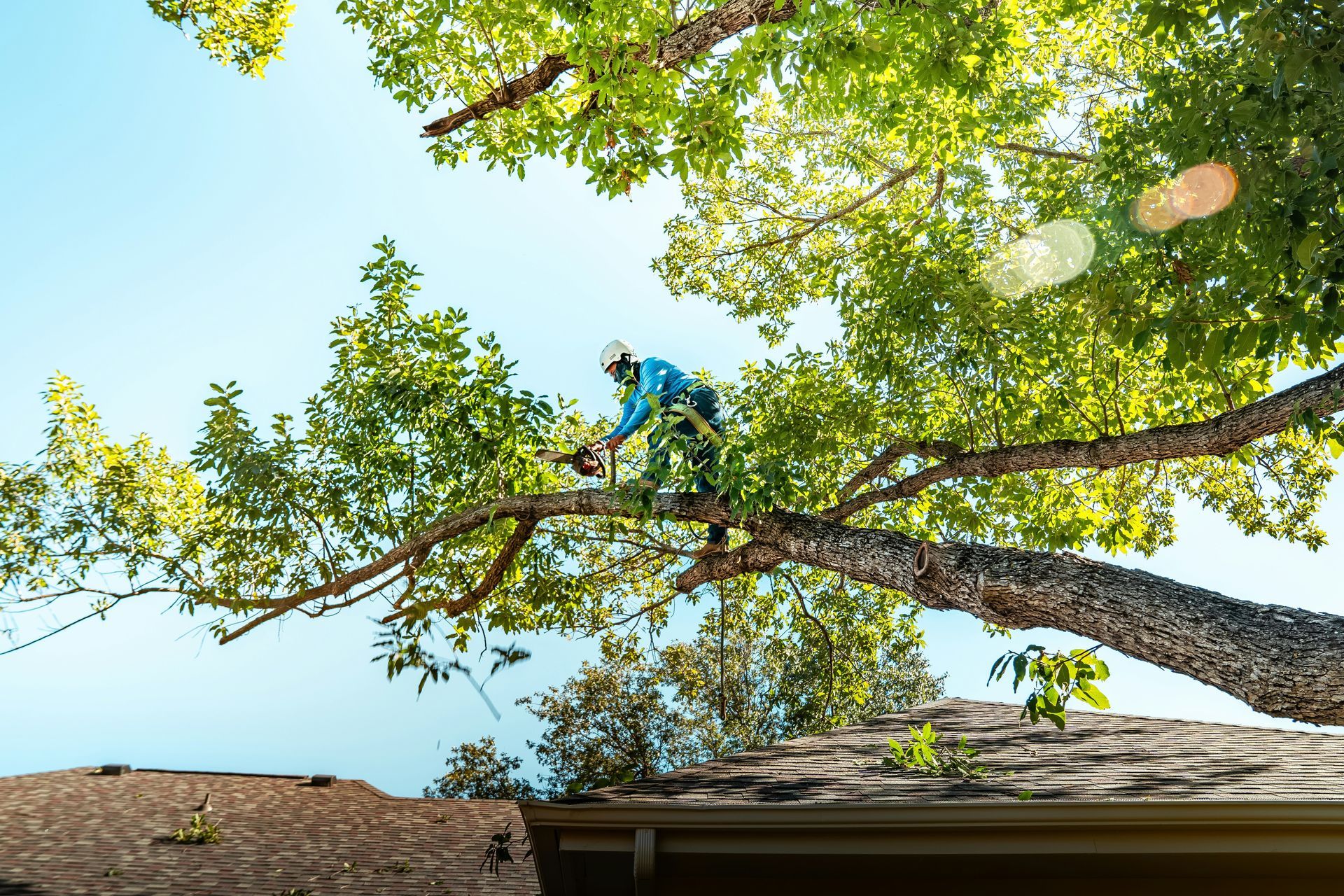
Large, healthy trees add immense beauty, shade, and value to any residential property. However, when left unmanaged, even the most beautiful trees can quickly become significant safety risks. Overgrown branches, undetected decay, and structural imbalances threaten your home, family, vehicles, and neighboring properties. Maintaining landscape safety requires consistent care rather than waiting for an emergency to occur. According to Lawn Love, most trees require trimming every three to five years to remain healthy and structurally sound. Incorporating routine tree trimming into your regular exterior home care routine is essential for mitigating hazards before they turn into expensive or dangerous disasters. Below are eight key ways proactive maintenance protects your property and ensures long-term safety.
1. Remove Weak and Dead Branches
Over time, trees naturally develop dead, diseased, or dying branches. These compromised limbs lose their structural integrity and flexibility, making them unpredictable hazards. Unstable branches can fall at any moment, even on calm days without wind or rain. When a heavy limb drops without warning, it poses a severe threat to pedestrians, playing children, pets, and outdoor property such as patio furniture or vehicles.
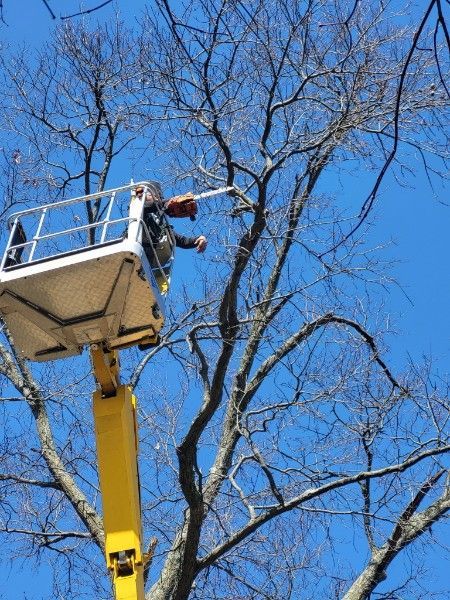
Regular tree trimming specifically targets these compromised sections of the canopy. Arborists and trained technicians carefully evaluate the health of individual limbs, identifying hidden rot, severe insect damage, or structural cracks. By removing these hazardous branches in a controlled environment, you eliminate the risk of unexpected falls, securing the outdoor space below for daily family use.
2. Protect Overhead Power and Utility Lines
Branches growing into or near power lines represent one of the most severe hazards on any property. When tree limbs come into contact with high-voltage electrical cables, they can cause dangerous power surges, electrical fires, and widespread power outages across whole neighborhoods. Furthermore, during wet or stormy weather, live current can travel down a damp branch, electrifying the tree itself and creating a lethal ground hazard for anyone nearby.
Proactive management keeps a clear safety buffer between your canopy and power or utility connections. Preventing limbs from creeping toward utility lines minimizes fire hazards and protects your home's electrical system from unexpected disruption. Because working near live lines carries extreme danger, keeping these areas well-maintained by qualified professionals ensures your entire property remains safe and compliant with local utility standards.
3. Mitigate Storm Damage and High-Wind Hazards
Severe weather events—including thunderstorms, high winds, ice, and heavy snow—test the structural strength of your landscape. A dense, unpruned canopy acts like a sail in heavy winds, catching the full force of gusts rather than allowing air to pass through. This intense wind resistance places immense stress on the trunk and root system, greatly increasing the likelihood that major limbs will snap or the entire tree will uproot.
Seasonal tree trimming thins out overcrowded inner branches, allowing wind to flow smoothly through the canopy with significantly reduced resistance. Pruning also reduces the sheer weight on major scaffolding branches, preventing heavy ice and snow accumulation from snapping limbs during winter storms. Preparing your trees before storm season hits drastically reduces the likelihood of severe emergency damage.
4. Clear Driveways, Sidewalks, and Pedestrian Pathways
Low-hanging branches that extend over driveways, walkways, and public sidewalks create constant physical obstacles. Low branches obscure sightlines, knock off vehicle side mirrors, and scratch automotive paint. For pedestrians, low-hanging foliage forces people off pathways and poses a direct physical hazard for eye injuries, scratches, or trips and falls—especially at night or during inclement weather.
Targeted pruning raises the tree canopy over all thoroughfares, maintaining proper clearance for vehicles, delivery trucks, and pedestrians. Clearing these pathways keeps walkways open and safe for guests, mail carriers, and neighbors. It also ensures emergency vehicles can access your property without delay or obstruction.
5. Prevent Structural Damage to Roofs and Siding
When trees grow too close to a house, limbs often rest against or scrape across roof shingles, gutters, and exterior siding. Constant wind motion causes branches to act like sandpaper, wearing away protective roof granules, cracking shingles, and damaging gutters. Moisture trapped under dense foliage against the house also accelerates wood rot and moss growth, destroying your home’s exterior building materials.
Strategic tree trimming establishes a safe clearance zone between your roofline and surrounding trees. Removing branches that overhang your roof protects structural materials from continuous wear and tear. Additionally, trimming back branches removes the natural elevated bridges that squirrels, raccoons, and climbing pests use to gain access to your roof, chimney, and attic space.
6. Improve Line-of-Sight and Property Visibility
Overgrown foliage near driveways, street corners, or property entryways frequently blocks critical sightlines for drivers and pedestrians. Blind spots caused by bushy lower limbs make pulling out of a driveway onto a busy street incredibly dangerous. Furthermore, overgrown trees can block outdoor lighting fixtures, address numbers, and security cameras, inadvertently creating dark, unmonitored zones around your perimeter.
Clearing strategic lower branches opens up visual corridors, providing clear visibility when navigating vehicle entry and exit points. Improved visibility helps drivers spot approaching traffic, bicyclists, and pedestrians well in advance. At the same time, keeping lights and security cameras unobstructed deters unwanted intruders and keeps the property brightly illuminated at night.
7. Eliminate Pest and Mold Infestation Hazards
Dense, unmanaged tree canopies block sunlight and severely restrict air circulation around your lawn, gardens, and home foundation. Darkness and stagnant moisture create ideal breeding conditions for harmful mold, mildew, and fungal growth. Furthermore, dead or decaying wood left within a dense canopy serves as an open invitation for wood-boring insects such as carpenter ants, termites, and wood-boring beetles.
Routine tree trimming opens up the canopy structure, allowing healthy sunlight and airflow to penetrate down to ground level. Increased air movement dries out excess moisture on rooflines and decks, preventing rot and fungal issues. Eliminating deadwood directly removes insect nesting grounds, preventing pests from multiplying and migrating into your home's main structure.
8. Balance Canopy Weight and Structural Integrity
Trees often grow unevenly due to competition for sunlight, structural defects, or historic storm damage. A tree that becomes top-heavy or heavily lopsided places immense, uneven stress on its trunk and root anchorage. Over time, this mechanical imbalance drastically increases the risk of the trunk splitting in half or the entire structure falling over under its own weight.
Equilibrating the canopy through selective tree trimming distributes structural weight evenly across the main scaffolding branches. Arborists can correct poor weight distribution and remove competing leader trunks to encourage a strong, centered structure. Balancing the canopy secures the tree's center of gravity, greatly extending its lifespan while ensuring it remains a stable, safe feature of your landscape.
Proactive tree maintenance is essential for maintaining a safe, secure, and resilient home environment. By removing hazardous deadwood, clearing power lines, reducing storm resistance, and correcting structural imbalances, routine care protects your property and loved ones from unexpected damage. Investing in regular tree trimming safeguards your home, enhances curb appeal, and provides long-term peace of mind. Keeping up with routine
tree trimming ensures your landscape remains a beautiful asset rather than a liability.
Don't wait for the next severe storm to reveal hidden tree hazards around your home. Contact the dependable experts at American Eagle Tree Service today to schedule a comprehensive tree assessment and safety evaluation. Protect your property and enjoy complete peace of mind by giving us a call or booking your appointment online now.